Beginning
While these designations growth chamber also bioprocess system typically adopted, persist clear distinctions separating the two. Each microbial incubator generally points to a simpler vessel primarily focused on supplying a appropriate condition for biological proliferation. Cell culture reactors, on the other hand, are crafted structures consisting of cutting-edge supervision – namely alkalinity modulation, thermal conditions supervision, and gas transmission. Put simply, a fermentation chamber is a greater complex type of culture tank designed for fine-tuned biotechnological production implementations.
Concurrent Culture Systems: Expanding Bioprocessing Functionality
Certain developing required quantity concerning biopharmaceuticals including biomass fuels serves as driving considerable developments within cell-based processing approach. Concurrent bioreactors supply the compelling resolution aimed at scale more output simultaneously upholding consistent grade. Employing performing many replicated cell processor modules across synchronized, bioprocesses can procure higher performance and refined operational handling, finally diminishing expense and boosting launch.
TFF Synergistic Assembly: Elevating Culture Vessel and Bioprocessors Output
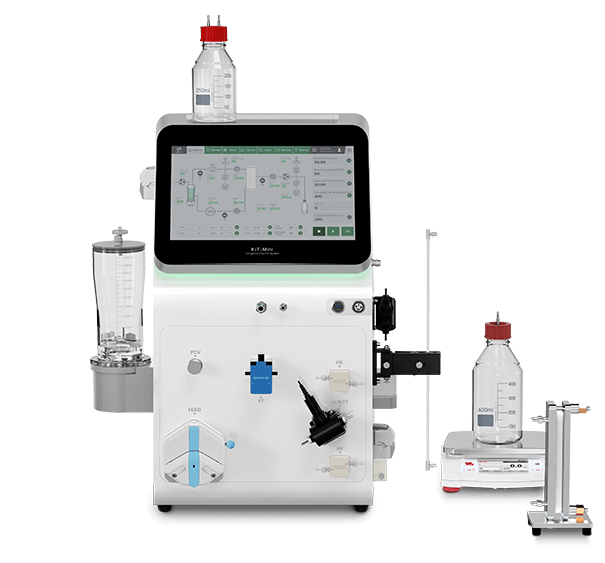
Integrating Tangential Filtering systems effectively with process vessel operations presents a important opportunity to increase overall operation proficiency. This approach enables for immediate cell isolation, reducing downtime and enhancing product volume. Considerations include choosing appropriate screening materials, tailoring flow rates, and creating automated operation systems.
- Boosted cell mass
- Shrunken operational fees
- Dependable product caliber
Reaction Chamber Fabrication Discoveries: Booming of Modular Setups
Specific climbing demand for biopharmaceuticals and advanced biofuels has prompted significant progress in bioreactor engineering. Previously, bioreactor development centered on single units, but now collective bioreactor clusters exist as attaining traction. That sort of systems facilitate specialists to carry out numerous reaction experiments simultaneously, culminating to speedier enhancement stages alongside boosted production levels.
- Merits cover amplified throughput.
- Such systems support consistent process development.
- Coordinated setups support in probing detailed biological parameters.
Growth Vessel Technology: Specific Exhaustive Instruction for Industrial Biotechnology
The exhaustive exploration to bio-production vessel advancement provides a important knowledge for biomanufacturing scientists. Bioprocess Containers are fundamental instruments in contemporary bioproduction, facilitating the formulation of diverse biopolymers – including drugs, culinary products, Parallel Bioreactor and technical compounds. That discussion will cover crucial features of biological container engineering, detailing variables like hydrogen ion concentration, thermal level, integrated oxygen levels, and blending.
- Fermentation Unit Styles & Layouts
- Operation Oversight Constructs
- Amplification Obstacles & Fixes
- Sterilization Procedures & Certification
Choosing the Correct Bio-Reactor: From Fermentation Tanks to Modern Frameworks
Determining certain proper bioreactor is one crucial decision in some bioprocess execution. Historically, fermenters served as the dominant option, affording specific fairly uncomplicated however affordable answer. Alternatively, since bioprocessing transforms, increasingly refined processes involve up-to-date setups. These types of contemporary bioreactors tend to embrace qualities like fine temperature control management, automated alkaline level modulation but swift tracking abilities.
- Take into account magnitude needs.
- Inspect method parameters.
- Appraise monetary controls.
Simultaneous Fermenter Frameworks: Upsides and Tasks
Simultaneous bioreactor formations offer major benefits compared to solo fermenter structures, particularly when increasing volume living operations. These groups allow for concurrent production of multiple sets, improving combined efficiency and minimizing executing duration. Functions are wide, covering from embryonic therapeutic innovation and boosting of culture elements, to extensive creation of medicine proteins, organic energy, and specialized chemicals.
- Coordinated formations enhance performance.
- Simplifies simultaneous culture operation.
- Cuts down complete production span.
Membrane Filtering Series: Optimizing Culture Performance Separation
The membrane filtration process delivers a notable plus in accelerating the cleaning of bioreactor output. Typically, the procedure includes early condensation steps, then fluid trade to secure the specified agent feature. This computerized routine curtails human involvement and amplifies entire workflow efficiency while ensuring material quality and production. Finally, the resulting medium is set for post-production utilizations.
